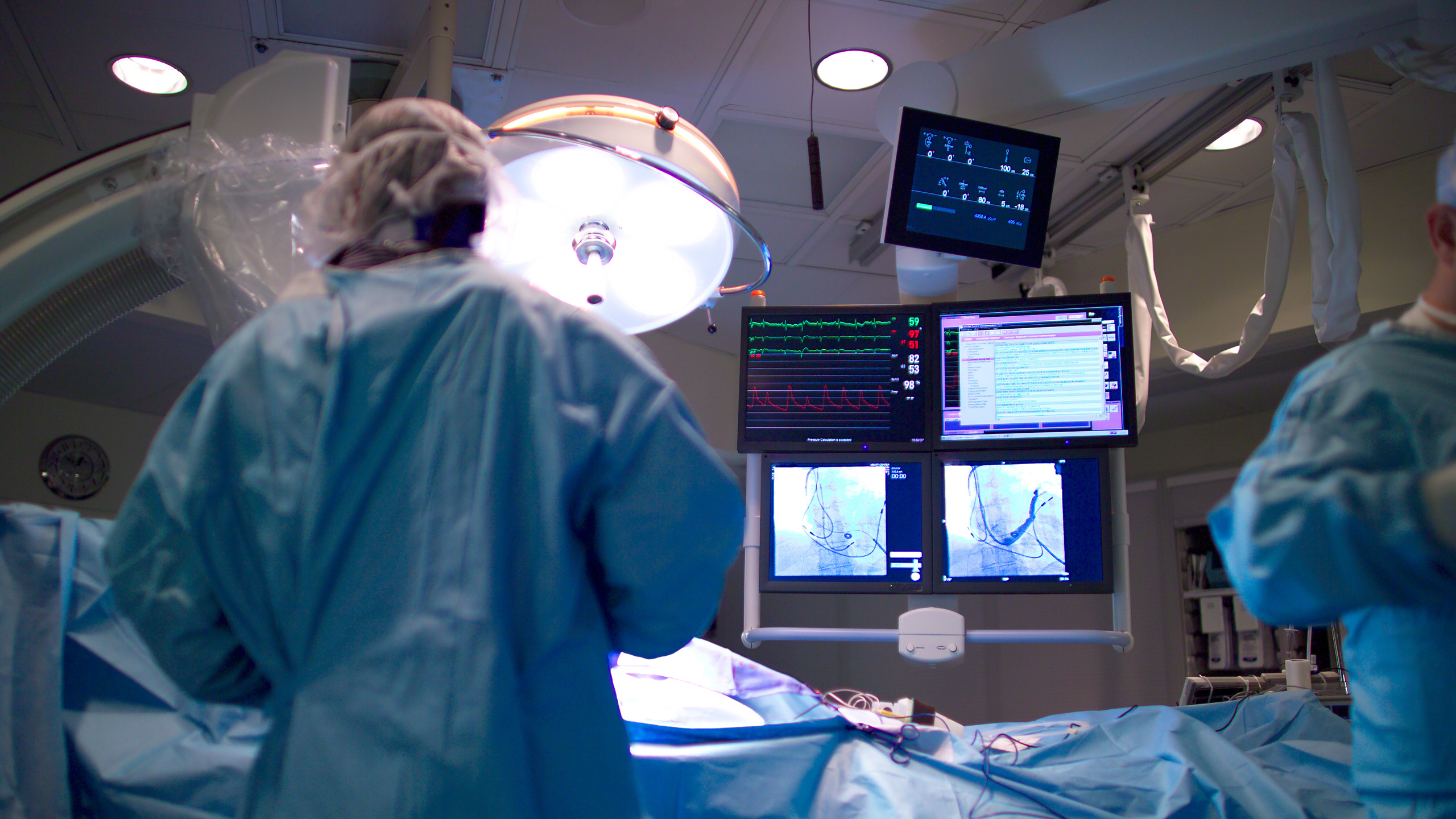

Pulsed field ablation (PFA) is a significant procedural advancement in electrophysiology. By minimizing collateral tissue damage, it allows for safer and more durable pulmonary vein isolation, ultimately improving outcomes for patients with atrial fibrillation. This progress introduces a new class of engineering considerations, defined by the need to safely deliver powerful, high-voltage energy pulses within a miniaturized, disposable device.
The system’s dual-component life cycle magnifies this core technical challenge. The system requires a cost-effective design for the single-use catheter alongside high durability for the reusable mating connector and cable because of repeated sterilization and mating cycles.
Resolving these competing life cycle objectives, coupled with the high-voltage challenges, requires a comprehensive, system-level strategy that considers everything from component selection to the final manufacturing process. A modular design approach utilizing a portfolio of proven components and technologies can help speed up the design phase of new PFA catheter products, enabling faster access to innovative therapies for patients.
Core Engineering Challenges in Pulsed Field Ablation Technology
The development of a PFA system presents engineers with concurrent and often conflicting physical challenges. The central tasks are achieving manufacturability at scale, managing high-voltage delivery and verifying component reliability within a sterile environment.
Manufacturability at Scale and Termination Complexity
From a manufacturing standpoint, the intricate, high-yield termination of a large count of fine-gauge wires (such as 46 AWG) presents a core challenge, as a single, late-stage failure can compromise the entire device. This intricacy calls for a design for manufacturability (DfM) approach from the project’s outset, which often involves creating modular subassemblies to permit in-line testing, ensuring consistent energy delivery for complete lesion sets.
High-voltage Energy Delivery
From an electrical perspective, the central obstacle is delivering kilovolt-level pulses through fine-gauge wires without causing dielectric breakdown. This includes managing dual-energy configurations where systems combine PFA with radiofrequency energy to optimize lesion sets. To prevent arcing and uphold patient and electrophysiologist safety, designs must adhere to stringent electrical safety standards such as IEC 60601 spacing requirements for both creepage and clearance, which are especially challenging to achieve within a miniaturized device.
Component Reliability in Demanding Sterilization Environments
Designs must account for the divergent material requirements stemming from the system’s dual lifecycle, selecting cost-effective resins such as polycarbonate (PC) or acrylonitrile butadiene styrene (ABS) for the single-use catheter while using high-performance engineered plastics such as polyphenylsulfone (PPSU) for the reusable connector. The mechanical design of the housing directly impacts long-term reliability, with sufficient wall thickness designed to meet requirements being a key factor in withstanding sterilization, even with rugged materials.
At the component level, electrical contacts require high-quality gold plating to prevent corrosion, while embedded electronics such as authentication chips require full encapsulation to protect them from moisture ingress during the autoclave cycle. These design considerations help prevent field failures, which have the potential to take an entire operating room out of commission and disrupt scheduled procedures for patients awaiting arrhythmia treatment.
A System-level Approach to Pulsed Field Ablation Technology
A successful PFA device relies on integrating specialized components and processes. The strategic selection of a foundational connector platform and wiring, combined with an early-stage design collaboration, is fundamental to accelerating the development timeline.
Building Blocks of Customization
The development process begins with a portfolio of proven technologies that serve as validated building blocks for a custom solution. This portfolio is composed of a wide array of contact types, various termination processes and multiple fine-wire configurations. By using this modular approach, engineering teams can rapidly create functional prototypes, often integrating existing components into 3D-printed housings.
Such speed means engineering teams can begin benchtop testing and evaluation in weeks instead of months. Starting with components with extensive performance and reliability data reduces the risk profile of the initial development phase, allowing engineers to focus on system-level integration and performance rather than validating individual components from scratch.
Specifying a Core Connector Platform
A system-level approach prioritizes the selection of a primary connector platform engineered specifically for the demands of high-voltage electrophysiology. Such a platform provides a validated starting point for research and development, accelerating the initial evaluation phase and enhancing the project’s risk profile before committing to a final, customized configuration.
A core design principle for these high-voltage connectors is the physical segregation of power and signal contacts to meet critical creepage and clearance safety standards, preventing long-term failure modes such as carbon trace buildup. A common implementation is a hybrid design that dedicates physically isolated pins for high-voltage delivery while using a standard, cost-effective edge card module for high-density signal lines. The design must also be specified for durability, using engineered plastics capable of withstanding high mating cycles and repeated autoclave sterilization.
Optimizing Fine-gauge Wire for Termination Efficiency
The internal assembly’s fine-gauge wires and cables are selected to overcome the challenge of routing complex, high-conductor-count wiring through the catheter’s constrained space while preserving signal integrity for accurate mapping and ablation. The value of these individual wires can be magnified by secondary processes that optimize them for high-volume manufacturing.
Ribbonizing, a prime example of a manufacturing optimization technique, bonds multiple conductors into a flat, parallel cable to preserve their alignment. This pre-alignment is what makes the transition from a slow, error-prone manual termination to a more automated, high-yield assembly workflow possible, directly solving the core challenge of manufacturability at scale and ensuring consistent device performance for predictable clinical results.
Beyond the Prototype: Engineering for Scalability and Success
The ultimate success of a PFA device is measured by its manufacturability, its reliable performance for the electrophysiologist and its safety for the patient. Close cooperation with a contract development and manufacturing organization (CDMO) bridges the critical gap between a functional prototype and a commercially successful device. This success depends on integrating deep engineering knowledge with proven manufacturing capabilities and regulatory insight, bridging the critical gap between a functional prototype and a commercially successful device.
This collaborative model merges an OEM’s device expertise with the deep knowledge of Phillips Medisize, a Molex company, in manufacturing and materials science, leading to a more robust and scalable final design. This is supported by proven electronic connectivity solutions from Molex, creating a complete system designed for both performance and manufacturability.
A global manufacturing footprint offers the logistical advantage of aligning production with your supply chain requirements. This strategic alignment is essential for maintaining consistent quality for patients worldwide, as a device moves to commercial production. Finally, in-depth knowledge of the regulatory landscape provides a clear advantage. This expertise, supported by a rigorous ISO 13485 quality system, streamlines the path to a final FDA or MDR approval, which is the ultimate confirmation of a device’s safety and efficacy for patients.
Learn how TheraVolt™ Medical Connectors can accelerate your design process.
Explore Temp-Flex® fine wire assemblies to solve complex termination and routing challenges.