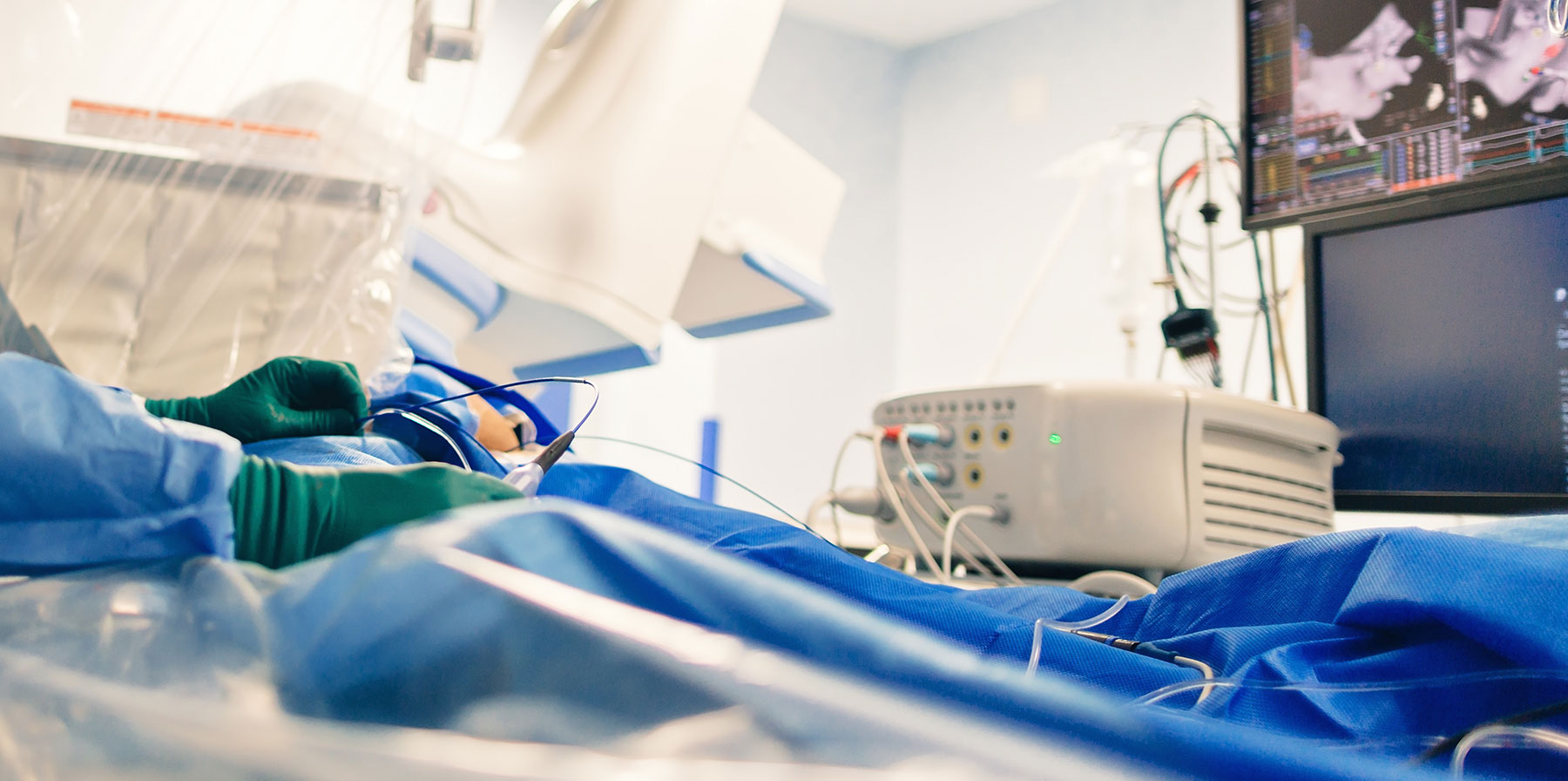

The relentless pursuit of superior clinical outcomes is fundamentally reshaping the engineering of electrophysiology (EP) catheters, driving a shift toward designs that prioritize accuracy, safety and consistent performance in EP procedures. This evolution prompts a shift in focus from isolated component innovations to a holistic, system-level design perspective that accounts for the entire product life cycle. The process involves balancing the technical requirements for electrical performance and mechanical durability with the material science that governs both patient safety and scalable manufacturing.
Successfully navigating these trade-offs hinges on a critical principle: designing for scalable manufacturing from the project’s outset is a key strategy to reliably translate performance into consistent patient outcomes while controlling cost, risk and regulatory burden for OEMs.
The Core Engineering Pillars in Electrophysiology Catheter Design
The development of an advanced EP catheter challenges engineers to reconcile a series of interdependent design pillars. Each pillar presents unique challenges, and the trade-offs made will ultimately determine the device’s overall clinical performance. Optimal system-level performance emerges from a deep understanding of how these pillars interact and shape one another from the earliest stages of design.
Electrical Performance and Signal Integrity
Unlike other industries and applications where high-speed data is the main concern, the complex management of electrical continuity and isolation between a catheter’s multiple functions define electrical performance in the EP environment. The central challenge shifts from data rates to managing how different functions, such as delivering an energy pulse while simultaneously measuring temperature or force, can affect one another within a constrained space. Effective designs can mitigate issues such as differential voltages and DC loss to prevent interference from different ablation modalities, especially in dual-energy systems that combine traditional RF with a high-voltage PFA pulse.
Achieving electrical stability is critical for clinical accuracy as clean mapping signals are the basis for enhanced 3D cardiac mapping. This gives physicians the confidence to ablate precisely with consistent energy delivery for forming durable lesions and reducing the likelihood of repeat procedures. The accuracy of the contact force measurement dictates the quality of the lesion. Too little force means the lesion is created in the bloodstream, while too much force risks adjacent tissue damage. Advanced solutions such as fiber-optic sensing or fiber Bragg grating (FBG) can be integrated to provide immunity from EMI and RFI, offering a robust pathway for certain sensing functions.
Mechanical Reliability and Catheter Control
For single-use EP catheters, the engineering focus moves from long-term flex life to the immediate need for exceptional flexibility. Because these devices are typically used only once, the primary concern is not how they endure thousands of flex cycles, but how they perform during a single, complex procedure. Internal wiring and components should move harmoniously with the catheter’s form factor to avoid impeding torqueability and control. The internal assembly should not fight the motion of the catheter’s structural components, allowing the device to navigate the complex anatomy as intended. Critical mechanical failure modes, such as wire breakages or electrode loss, can compromise the procedure and patient safety. By optimizing the flexibility of internal components, engineers can directly enhance a physician’s control, leading to more precise catheter placement, lower device failure rates, reduced procedure time and lower complication rates.
Biocompatibility and High-Volume Manufacturability
Material selection presents a constant trade-off between clinical performance, manufacturing cost and supply chain risk. This decision-making process involves carefully evaluating both the material cost itself and the cost and complexity of manufacturing with that material. During this evaluation, engineers must weigh the superior performance of materials like silicone, which offers durable encapsulation against the slower, more expensive manufacturing processes it may require.
These trade-offs become even more complex when moving from material evaluation to scalable production. The central challenge is selecting biocompatible materials, from adhesives to electrode platings like platinum, that also lend themselves to repeatable, high-volume assembly. This includes a wide range of components, including flex substrates, wire insulations and catheter tubing extrusions. Striking this balance is crucial, as manufacturing complexities can lead to device-to-device variations in performance and reliability, unforeseen cost creep and, ultimately, compromised clinical outcomes and patient safety.
A System-Level Approach to EP Catheter Design and Development
High-performance EP devices rely on integrating specialized components and manufacturing expertise. Addressing the core engineering pillars calls for a modular strategy built upon pre-validated technologies and a collaborative design strategy, which is essential for accelerating development and mitigating risk on the path to commercialization.
A Building Block Approach to Customization
This way of addressing component design shortens the development timeline by leveraging a portfolio of proven technologies that serve as validated building blocks for a custom solution. A modular strategy allows research and development teams to quickly integrate components for next-generation catheter programs, potentially saving months of design and validation time on critical elements such as the connector interface. Further, a systematic approach allows OEMs to focus their resources on their core competency, the novel tip technology, while building on a robust and scalable system architecture.
Specifying a Core Connector Platform
In modern EP catheters, engineers prioritize selecting a primary connector platform engineered to manage the complex mix of signals. A core design principle for these connectors is the physical segregation of different signal types to mitigate the differential voltages and DC loss challenges discussed earlier. The platform’s adaptability should enable custom configurations that support multiple generations of a device family, turning a custom component into a reliable, catalog-like solution for long-term development.
Optimizing Fine-Gauge Wire for High-Volume Termination
As electrode counts increase, the internal assembly’s fine-gauge assemblies must be optimized for high-volume manufacturing to avoid scalability bottlenecks. Where catheters once had eight or 12 wires, they now commonly feature 50, 60 or even 100 or more. Various design options, such as ribbonizing or bundling, are available to help improve production efficiency. The ribbonizing process bonds multiple conductors into a flat, parallel cable, preserving their alignment and allowing for a transition from slow, manual termination to a more automated, high-yield assembly workflow. A manufacturing-first approach gives engineers the focus needed to add advanced functionality to next-generation catheters without compromising cost-effectiveness or reliability.
From Prototype to Production: A Framework for Scalability
Translating a functional prototype into a commercially viable device requires moving beyond initial performance metrics. Phillips Medisize supports this transition through its integrated expertise in collaborative engineering, global manufacturing and regulatory compliance.
The Phillips Medisize Product Development Process applies decades of medtech experience to guide OEMs toward the right long-term solution. This foresight helps prevent teams from getting locked into a design that is clinically effective but commercially unsustainable. Because the design and manufacturing teams are integrated, real-world manufacturing and regulatory considerations inform component design decisions from day one. Robust in-house electrical, mechanical and environmental testing verifies performance across the full range of expected use conditions, which can reduce technical risk early in development and can support a smoother path through verification, validation and regulatory review.
A global manufacturing footprint enables production to align with a customer’s consumption location. This alignment is critical for minimizing logistical costs and strengthening supply chain resilience as a device moves to commercial volumes. A rigorous ISO 13485 quality system allows to establish the framework for the manufacturing consistency and validation required for a final FDA or MDR approval, which serves as the definitive validation of a device’s safety and efficacy.
The journey from concept to clinical outcome begins with the right collaborator. Build your next EP catheter with Phillips Medisize’s integrated design, manufacturing and interconnect solutions.